After their plane's electrical systems failed, a pilot and his wife used their iPads to fly 80 miles in the dark and crash-land at the Rapid City Regional Airport.
The couple were flying their single-engine propeller plane to Wisconsin from Wyoming on Friday night. The plane suffered a full electrical-system failure after which airspeed and altitude were the only instruments available.
The couple was not able to alert traffic controllers that they were entering Rapid City airspace and, without landing gear, the pilot landed the plane on its belly on a less-used runway. The plane skidded to a stop and officials say sparks were shooting from the bottom of the fuselage.
"He had to be a super good pilot," said Department Battalion Chief Tim Daly.
Officials have yet to investigate the incident and it will likely be awhile before the plane can fly again.
[via BI]
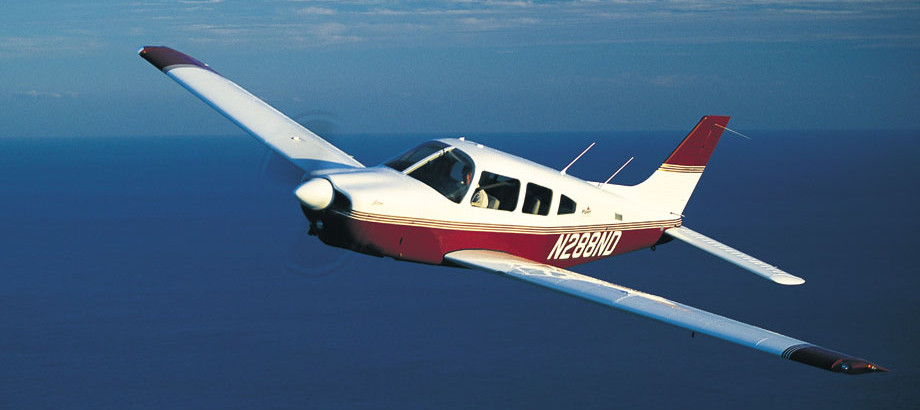
[Not Actual Plane]
Get the iClarified Daily Newsletter
Apple news, rumors, tutorials, price drop alerts, in your inbox every evening, free.
Unsubscribe at any time.
Success!
You have been subscribed.
Add Comment
Would you like to be notified when someone replies or adds a new comment?
Yes (All Threads)
Yes (This Thread Only)
No
Notifications
Would you like to be notified when we post a new Apple news article or tutorial?
Yes
No
Comments (12)
Comments are closed for this article.
0
Tony - February 9, 2015 at 5:33pm
It's called Foreflight (or Garmin Pilot, or FlyQ, etc). Moving maps, terrain warning, airport information, etc. It's Google maps for aviators and doesn't require cellular data (though need the cellular ipad for the GPS). If he had cell service though, he could've used his iPhone to call the tower and communicate that way (yes air lawyers, you're not supposed to operate cell devices in flight, but this was an emergency & he didn't have any power so no worries with interference).
0
JonnyS - February 9, 2015 at 5:13am
luckily it was an ipad with cellular data connectivity, if it was the wi-fi only version ....
0
Fredpl - February 9, 2015 at 4:26am
Maybe they used the flashlight setting??
0
tng - February 9, 2015 at 2:59am
When it counted, always depend on Apple!! Maybe that should be the lead to this story? ;)
0
iProService - February 8, 2015 at 11:09pm
And based off the title of the article I was expecting to learn about how they used their iPads to land the plane.
0
vanimox - February 8, 2015 at 11:42pm
I'm just making a guess, but the first thing I was thinking when reading this..
The pilot flew somewhat close to the ground so that data would be available, and used the iPad(s) maps software so he know (approximately) where he was in real (close to real) time.
With those GPS coordinates, would be able to know where he was and land the plane accordingly.
If anyone has any other ideas (or facts), post below, I'd be interested to hear more about this.
0
dude1000 - February 9, 2015 at 12:15am
Well it's dark out so I bet they wouldn't have flown that low. It's easier to pick up cell tower signals in the air due to no building/terrain obstructions. So considering both, they must have flown high enough to avoid potentially hitting buildings, wires, etc. but low enough to be within cell tower range. Depending on the type of plane and non-electrical equipment in the plane and altitude restrictions of the area they were flying in, it could change the difficulty/ease of flying the airplane with an iPad.
0
Jackson Browne - February 9, 2015 at 2:26am
With the appropriate mapping software, they DO NOT NEED DATA SERVICE to use a mapping program. They only need GPS, which they can get at any altitude.
0
Cesna - February 8, 2015 at 8:49pm
How did they use the iPad would be a question, was it Maps or goggle maps???? Or were they just watching an inflight video
0
gamerscul9870 - February 8, 2015 at 8:51pm
LTe ipad, Apple maps.
0
Lolwut - February 8, 2015 at 8:41pm
Who knew that iPads had GPS capabilities? Amazing!
0
John - February 8, 2015 at 8:32pm
I like the picture of a random plane at the end :D











![How To Change Wallpaper on Mac [Video]](/images/tutorials/90512/90512/90512-160.jpg "How To Change Wallpaper on Mac [Video]")
![How To Turn Off Always On Display on iPhone [Video]](/images/tutorials/87524/87524/87524-160.jpg "How To Turn Off Always On Display on iPhone [Video]")





![16-Inch M5 Max MacBook Pro Drops $900 to New Low of $3,499 [Deal]](/images/news/102438/102438/102438-160.jpg "16-Inch M5 Max MacBook Pro Drops $900 to New Low of $3,499 [Deal]")
![Magic Keyboard for iPad Air Drops to $200 on Amazon [Deal]](/images/news/102402/102402/102402-160.jpg "Magic Keyboard for iPad Air Drops to $200 on Amazon [Deal]")
