UK Proposes Wider iPhone NFC Access and Lower Fees for Apple Pay Rivals
The UK's Competition and Markets Authority has proposed changes to the iPhone's contactless technology that would give Apple Pay rivals more ways to compete and are expected to substantially lower developers' access fees.
In a consultation launched today, the regulator says high fees, restrictive terms, and technical limitations have made it too difficult for challengers to build viable products. It says no rival wallet-type product has launched using Apple's UK access arrangements, despite the technology being available to developers for two years.
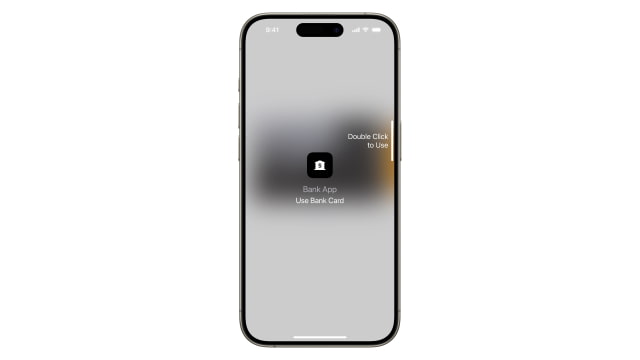
Apple opened its NFC and Secure Element platform to UK developers with iOS 18.1 in 2024. That system lets apps handle contactless transactions separately from Apple Pay and Apple Wallet, using a dedicated security chip to store sensitive credentials on the device. Developers must enter into a commercial agreement and pay associated fees.
The European Economic Area has a different arrangement. Under legally binding commitments accepted in 2024, developers can access NFC for payments free of charge through Host Card Emulation, or HCE, which does not rely on the iPhone's Secure Element. Alternative payment apps from Vipps, PayPal, Klarna, Curve, and BBVA have since launched in the region.
Wider Access and Lower Fees
Under the UK proposal, developers could request either technology, or both where an app needs them. The requirement would cover payment and non-payment uses, including direct bank-to-bank payments, digital IDs, age verification, car and hotel keys, travel passes, and loyalty services.
Access would also extend to supporting iOS features, including equivalent biometric authentication and functionality used by Express Mode and Power Reserve. For supported credentials, those features allow contactless transactions without unlocking the phone or authenticating each use, and for a limited time after the device has too little power to run iOS normally.
Users would be able to choose a rival app as their default contactless app, while developers would get an API to check whether their app holds that setting. The proposed rules would prevent Apple from limiting how often developers check default status or prompt users to switch.
On pricing, the plan does not require free access or set a fixed fee. Instead, charges would have to be fair, reasonable, and non-discriminatory, taking account of the costs and value of providing access while allowing Apple a reasonable return on its investment. The regulator expects those principles to produce substantially lower charges than today's fees.
Fee structures would also need to suit different business models, including how frequently a service is used and whether it earns revenue from each tap. Developers could switch to a more appropriate structure as their needs change, and Apple would have to publish its access terms rather than leave them available only through private agreements.
The draft requirement also calls for clear application and complaints processes, with published timelines. Commercially sensitive information obtained from developers could be used only to provide NFC access and would have to be kept from staff working on competing services such as Apple Pay and Apple Wallet.
Security and Next Steps
Apple opposes requiring an approach it considers less secure. "We do not believe the CMA should require Apple to adopt an approach with lower privacy and security protections," a spokesperson told Reuters. The company pointed to its existing platform as a way for developers to offer contactless services while protecting users' data.
The 147-page consultation document reaches a provisional conclusion that both technologies can be used securely for payments, while acknowledging that on-device hardware protection may better suit some sensitive non-payment uses. Access would remain subject to applicable laws and industry security and privacy standards, with temporary suspensions allowed to address credible threats of serious harm under specified conditions.
The proposed conduct requirement uses powers under the Digital Markets, Competition and Consumers Act 2024, following Apple's strategic market status designation last October. That designation was not itself a finding of wrongdoing, and today's consultation does not impose a final NFC access order.
Responses are due by November 17, 2026, with a final decision to follow after they have been assessed. If the requirement is adopted, the proposed implementation period is three months after the final decision, with Apple submitting an implementation plan within the first month.