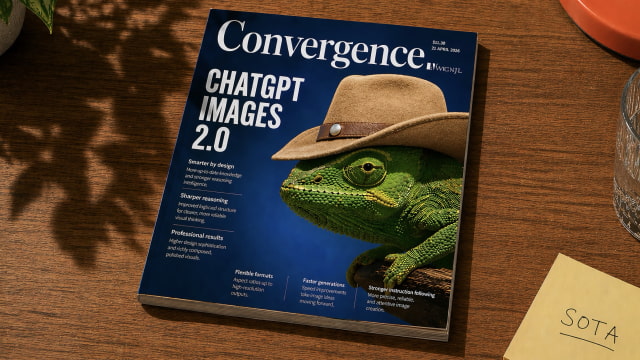
OpenAI has introduced ChatGPT Images 2.0, a major upgrade to its image generation technology that brings dense text rendering, flexible aspect ratios, and new reasoning capabilities to users across its platforms. The update is available starting today in ChatGPT, the API, and the dedicated Codex app for Mac. The company is positioning the updated model as a broader visual system capable of handling more complex tasks, rather than functioning as a basic image generator.
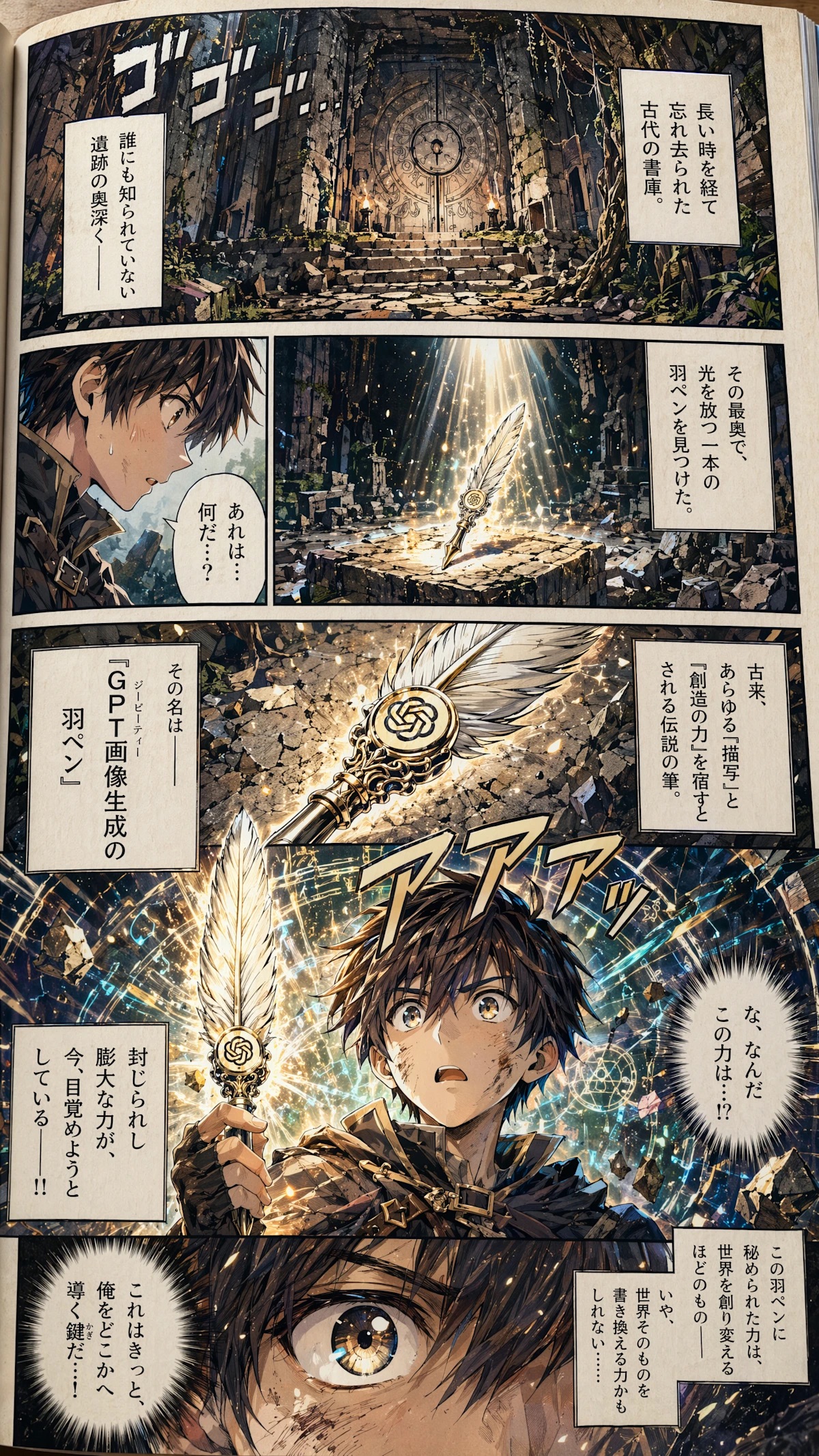
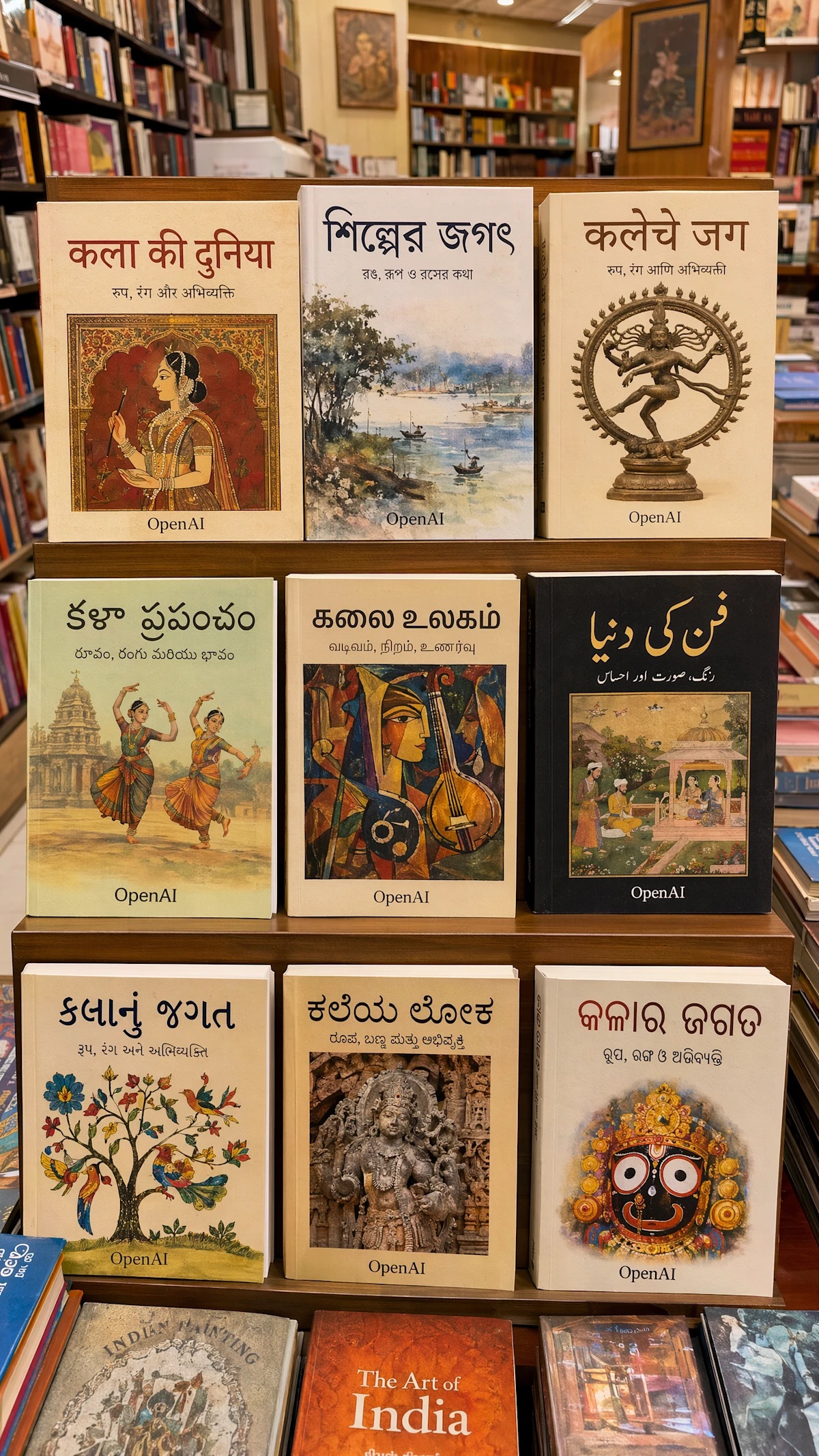
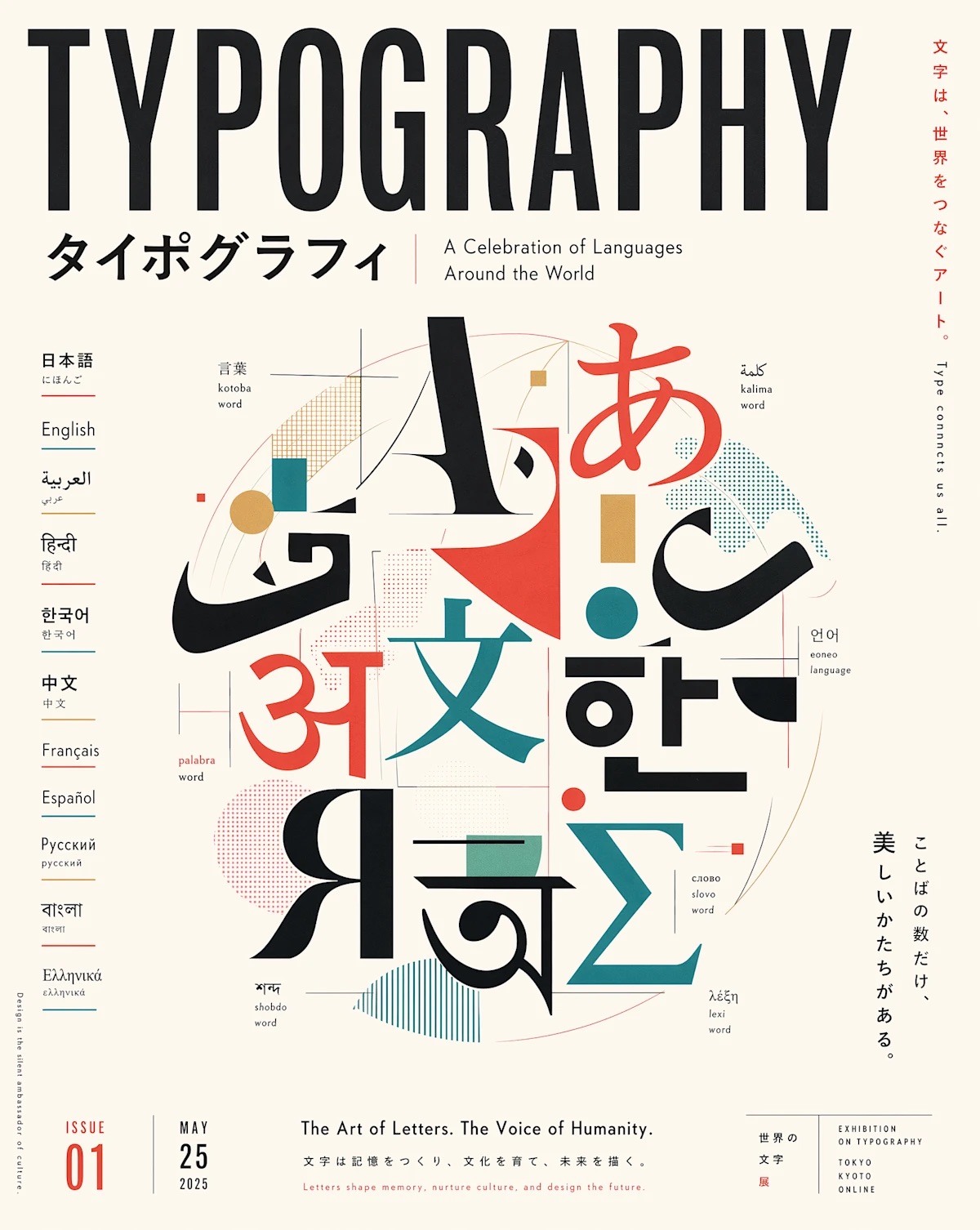
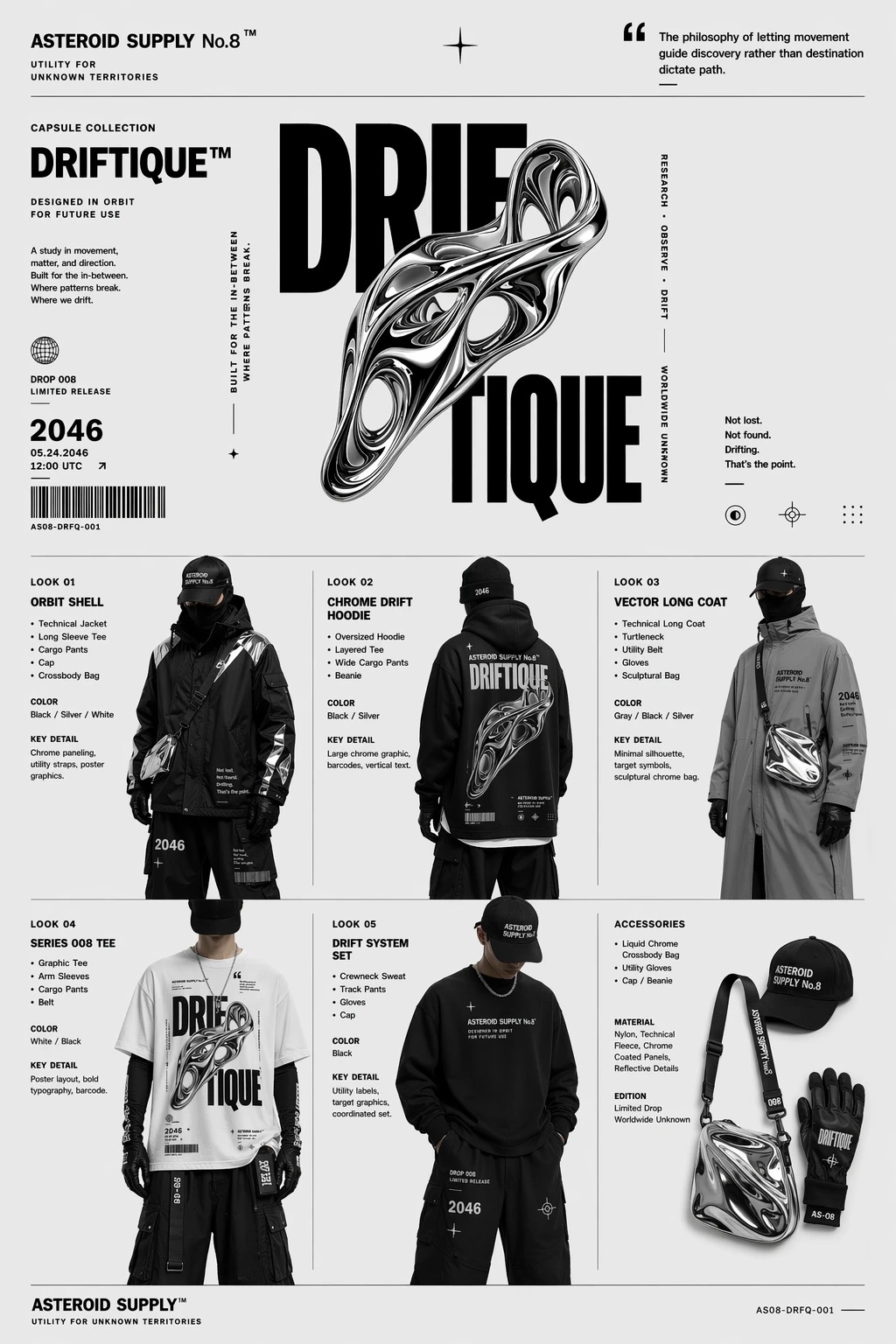
One of the most significant improvements in this release is the model's ability to render dense text accurately. OpenAI says Images 2.0 is designed to handle fine-grained details that have traditionally caused issues for image models. This includes rendering small typography, precise iconography, and complex user interface elements. That level of precision makes the system more practical for generating software mockups, technical diagrams, and educational graphics. The update also extends beyond English. OpenAI highlights gains in non-Latin text rendering, allowing the model to generate visually coherent designs in languages like Japanese, Korean, Chinese, Hindi, and Bengali without breaking language flow.
To accommodate a wider range of formats, the model now supports more flexible aspect ratios. Users can generate images from wide 3:1 panoramas down to tall 1:3 vertical layouts. Dimensions can be specified directly in a prompt or adjusted using preset options, making it easier to output assets for slides, banners, or mobile graphics. OpenAI has also improved stylistic fidelity and realism. Images 2.0 is more accurate at capturing the defining characteristics of different visual styles, including the subtle imperfections found in photography, along with the lighting and texture associated with cinematic stills, manga, and pixel art.
For the first time, OpenAI is bringing its reasoning models into image generation. When users select a thinking or pro model in ChatGPT, Images 2.0 can search the web for real-time context, transform uploaded materials into clear visual explainers, and double-check its own outputs for accuracy. The model also carries a knowledge cutoff of December 2025, giving it a more current understanding of real-world subjects.
When using thinking models, the system can generate up to eight distinct images from a single prompt. Users can request a set of visuals with consistent characters and objects that build on one another. For Mac developers using Codex's background computer control features, the image model is now integrated directly into the workspace. A developer can generate multiple UI directions, concepts, and prototypes, compare the results, and turn the strongest ideas into live products or website experiences without leaving the app.
Developers can access the model through the API under the gpt-image-2 identifier. It makes it easier to build workflows for localized advertising, creative tools, and web design, with outputs up to 2K resolution. OpenAI notes that some limitations remain. The model can struggle with tasks that require a precise understanding of the physical world, such as origami folding or certain puzzles. Extremely dense or repetitive textures may also be challenging, and detailed diagrams may still require manual review.
Images 2.0 is rolling out today to all ChatGPT and Codex users. Access to advanced outputs with thinking is limited to ChatGPT Plus, Pro, and Business subscribers. API pricing varies depending on the selected quality and resolution of the image.
Get the iClarified Daily Newsletter
Apple news, rumors, tutorials, price drop alerts, in your inbox every evening, free.
Unsubscribe at any time.
Success!
You have been subscribed.
Add Comment
Would you like to be notified when someone replies or adds a new comment?
Yes (All Threads)
Yes (This Thread Only)
No
Notifications
Would you like to be notified when we post a new Apple news article or tutorial?






![Apple Says iPhone Duo's Folding Display Has a Replaceable Cover Layer [Video]](/images/news/102525/102525/102525-160.jpg "Apple Says iPhone Duo's Folding Display Has a Replaceable Cover Layer [Video]")
![Touchscreen OLED MacBook Pro Could Debut as Early as October [Gurman]](/images/news/102519/102519/102519-160.jpg "Touchscreen OLED MacBook Pro Could Debut as Early as October [Gurman]")
![How To Find Your iPhone IMEI Number [Video]](/images/tutorials/83557/83557/83557-160.jpg "How To Find Your iPhone IMEI Number [Video]")

![How To Change Wallpaper on Mac [Video]](/images/tutorials/90512/90512/90512-160.jpg "How To Change Wallpaper on Mac [Video]")




![16-Inch M5 Max MacBook Pro Drops $900 to New Low of $3,499 [Deal]](/images/news/102438/102438/102438-160.jpg "16-Inch M5 Max MacBook Pro Drops $900 to New Low of $3,499 [Deal]")
![Magic Keyboard for iPad Air Drops to $200 on Amazon [Deal]](/images/news/102402/102402/102402-160.jpg "Magic Keyboard for iPad Air Drops to $200 on Amazon [Deal]")
![13-Inch M5 MacBook Air With 1TB Drops to $1,449 on Amazon [Deal]](/images/news/102345/102345/102345-160.jpg "13-Inch M5 MacBook Air With 1TB Drops to $1,449 on Amazon [Deal]")
