Apple Launches Health AI Study With OpenEvidence for U.S. Adults
Apple has launched the Apple Health AI Usage Study in the U.S., working with OpenEvidence to examine how people use and understand conversational health AI. The virtual study can enroll up to 200,000 eligible participants.
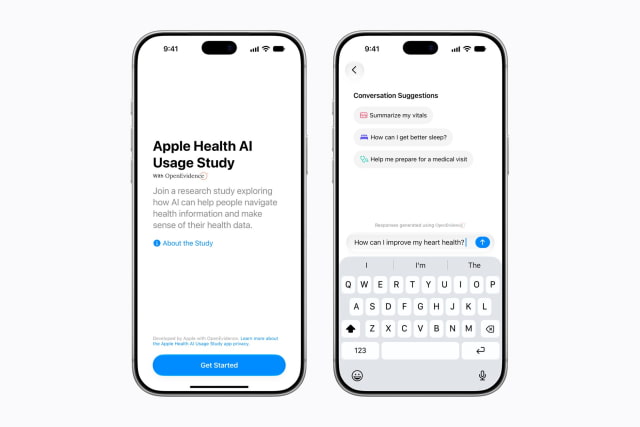
The study app combines an Apple-designed research experience with OpenEvidence's clinical AI technology. Participants can ask everyday health questions, explore medical information in more approachable language, and follow links to peer-reviewed clinical citations supporting the responses. OpenEvidence's platform draws on sources including The New England Journal of Medicine, the Journal of the American Medical Association, and Nature.
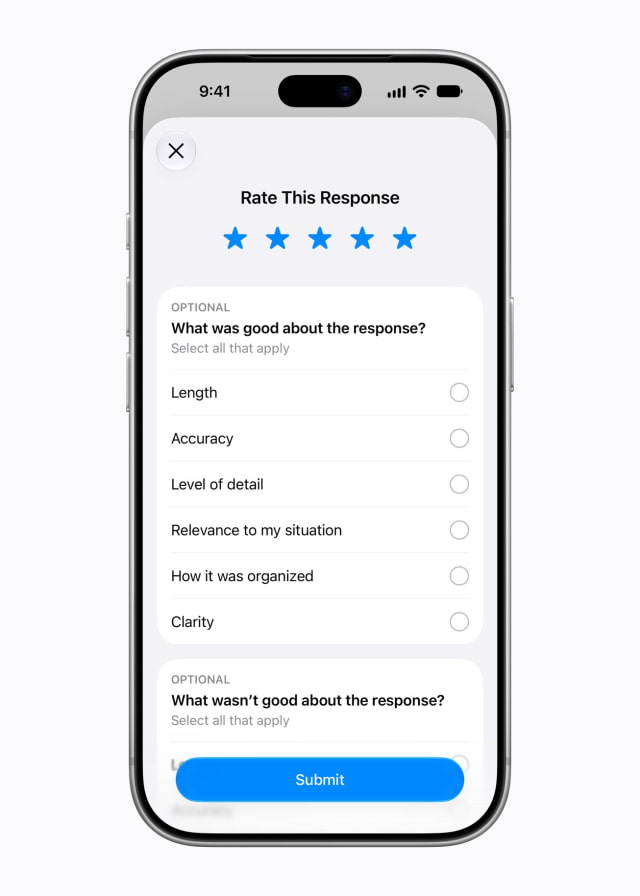
Researchers will evaluate what drives trust in those responses, how people judge their quality, what they understand, and how they act on health information in daily life. Participants can choose to share HealthKit data such as resting heart rate, activity, sleep, or lab results, allowing researchers to explore whether personal data changes the relevance of answers and how well they are understood.
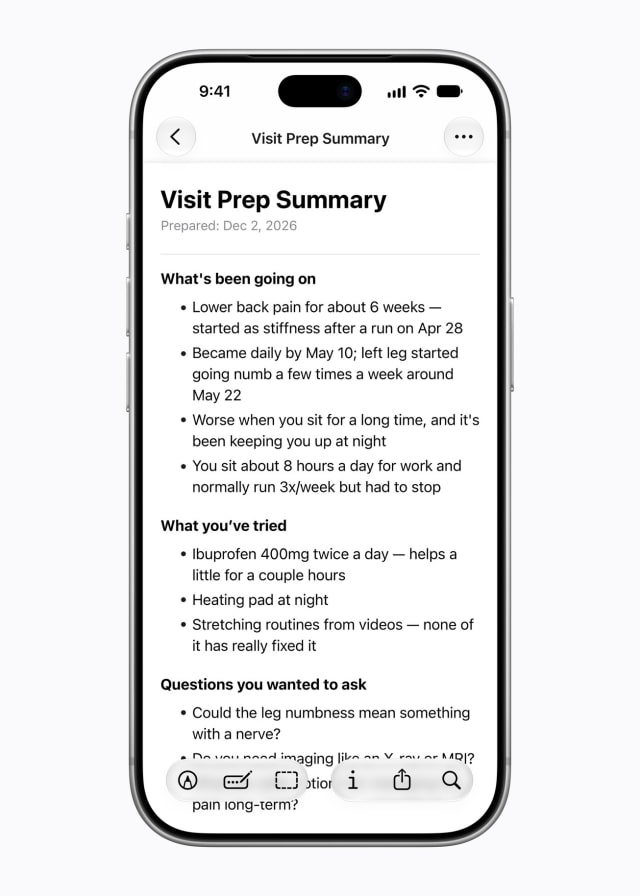
Another area of research is whether the app can help people prepare for appointments with their own doctors. Apple cautions that large language models can provide incomplete or unclear responses. The app is not intended to diagnose or treat a condition or replace a medical professional's advice; participants should consult a doctor or clinician about health concerns or to verify medical information.
Study data will not be used to train AI models, and participants control whether to share HealthKit metrics or survey responses. Apple has implemented security measures to protect the information it maintains. The app also includes guardrails intended to identify certain concerning questions and suggest follow-up with a provider or other resources when needed.
Enrollment is open to eligible U.S. adults age 21 and older with an Apple Intelligence-enabled iPhone, starting with iPhone 15 Pro, running iOS 26 or later. The Apple Health AI Usage Study app provides more information about participation and the option to enroll.
The AI-focused project is separate from the Apple Health Study launched in 2025 with Brigham and Women's Hospital, which examines relationships across areas of health using data from devices including iPhone, Apple Watch, and AirPods.