When Apple set out to build a $599 laptop, the design team insisted the product maintain the same high-quality materials used across the MacBook lineup. Molly Anderson, Apple's vice president of industrial design, recently detailed how the company managed to hit that aggressive price point with the new MacBook Neo while keeping its premium feel intact.
In an interview with Dezeen, Anderson explained that stripping away core functions or switching to cheaper materials was simply off the table. The goal was to create a device that serves as an entry point to the Mac ecosystem without feeling like a compromised product. She noted that consumers often assume affordable devices cut corners, but the design team approached the Neo from the ground up to ensure it remained "quintessentially a MacBook."
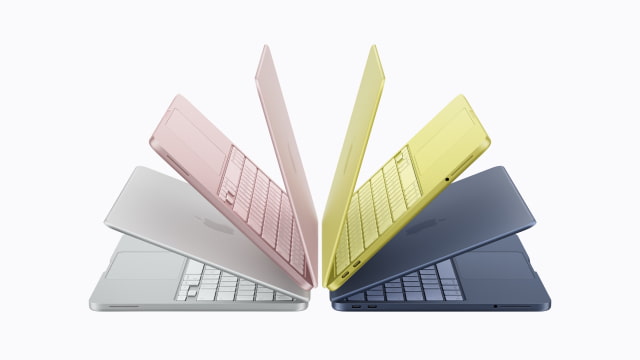
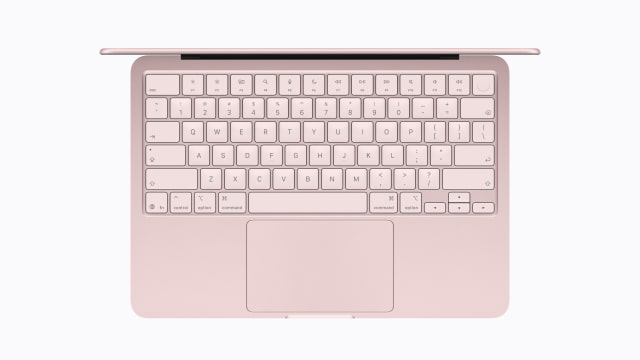
That meant holding onto the aluminum enclosure. It also meant making the laptop feel approachable, since Apple views this as the first computer many young buyers will own. The team leaned into a softer, rounded shape and brought in vibrant colors to give the hardware a more joyful aesthetic. Buyers can choose from silver, dark blue, pale pink, and citrus yellow, with the hues carrying through to the keycaps and rubber feet. Anderson pointed out that getting the anodized aluminum logo on the lid to perfectly match the rest of the chassis was a surprisingly complicated engineering challenge, but it helped give the laptop a distinct personality separate from the Air and Pro lines.
The real key to reaching that $599 price point comes down to how the aluminum chassis is manufactured.
Instead of carving the unibody out of a solid block of aluminum using traditional CNC milling—the standard process for the MacBook Air and Pro—the Neo starts as an aluminum extrusion. The material is forced through a shape to create a profile, flattened, and then pressed into its rough final form using heat and pressure. Fine machining is only used at the very end to clean up the details.
This hybrid approach slashed the time the chassis spends on the milling machine and cut the required raw material in half. Anderson called the technique a new tool in the company's manufacturing toolbox, though she clarified it won't necessarily replace the traditional milling methods used for Apple's higher-end hardware.
Using less material also kept the project aligned with Apple's environmental targets. The MacBook Neo features 60 percent recycled content overall, with the aluminum shell itself hitting 90 percent recycled material. Anderson emphasized that dropping sustainable materials to save money was never considered, noting that Apple is still firmly committed to reaching full carbon neutrality by 2030.





![Boot Speed Test: iPhone Duo vs iPhone 18 Pro Max [Video]](/images/news/103104/103104/103104-160.jpg "Boot Speed Test: iPhone Duo vs iPhone 18 Pro Max [Video]")



![How To Turn Off iPhone [Video]](/images/tutorials/94999/94999/94999-160.jpg "How To Turn Off iPhone [Video]")
![How To Back Up Your iPhone to an External Drive on Mac [Video]](/images/tutorials/72786/72786/72786-160.jpg "How To Back Up Your iPhone to an External Drive on Mac [Video]")

![How To Find Your IP Address on iPhone [Video]](/images/tutorials/496/496/496-160.jpg "How To Find Your IP Address on iPhone [Video]")


![Beats Headphones, Earbuds, and Pill Speaker Are Up to 41% Off [Deal]](/images/news/103026/103026/103026-160.jpg "Beats Headphones, Earbuds, and Pill Speaker Are Up to 41% Off [Deal]")

![New Fire TV Stick 4K Drops to $29.99 (50% Off) [Deal]](/images/news/102984/102984/102984-160.jpg "New Fire TV Stick 4K Drops to $29.99 (50% Off) [Deal]")
![Apple's iPhone 18 Pro and Pro Max Cases Are Up to 37% Off [Deal]](/images/news/102978/102978/102978-160.jpg "Apple's iPhone 18 Pro and Pro Max Cases Are Up to 37% Off [Deal]")
