Apple has officially confirmed it is bringing production of the Mac mini to the United States. The company announced today that the desktop computer will be manufactured at a newly expanded facility in Houston later this year, marking the first time the Mac mini will be assembled in the United States. Apple CEO Tim Cook said the company is "deeply committed to the future of American manufacturing" and noted that advanced AI server production in Houston began ahead of schedule.
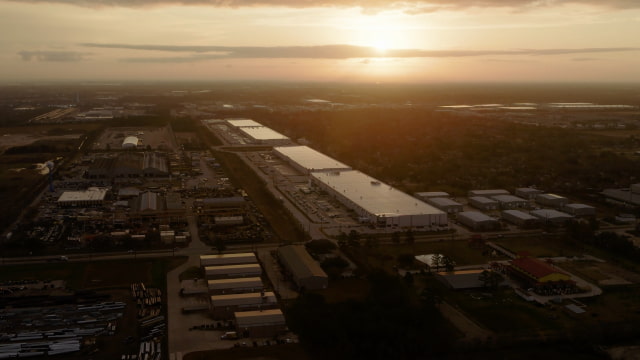
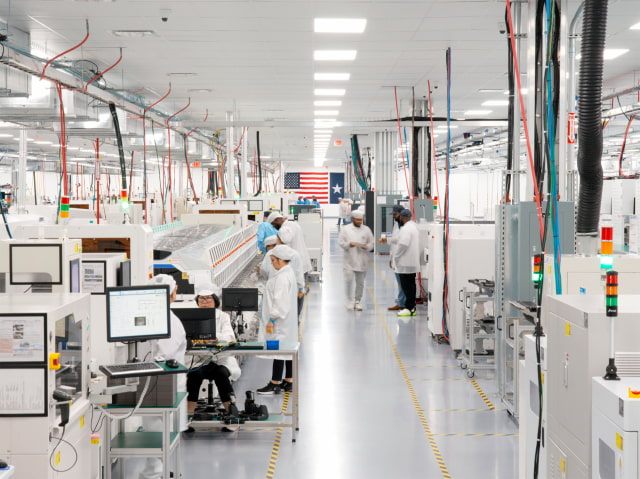
The move involves a significant expansion of Apple's existing Houston manufacturing campus. A new factory is being constructed on the site to handle the Mac mini, effectively doubling the physical footprint of the location. Apple expects the expanded operations to create thousands of jobs in the region. Apple said recent silicon upgrades have expanded the Mac mini's role across creative, educational, and business use cases.
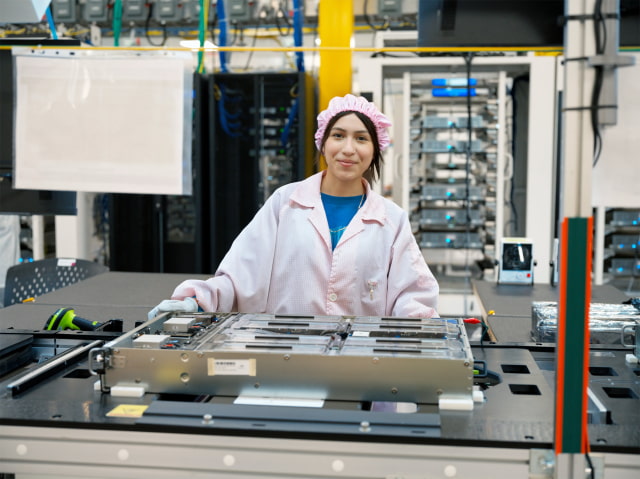
Alongside consumer hardware, Apple is scaling up its enterprise assembly. The company began shipping AI servers from the Texas location in 2025 for the first time, and executives confirmed today that production of those systems is currently running ahead of schedule. The servers assembled in Houston feature onsite logic board production and are deployed in Apple data centers across the country.
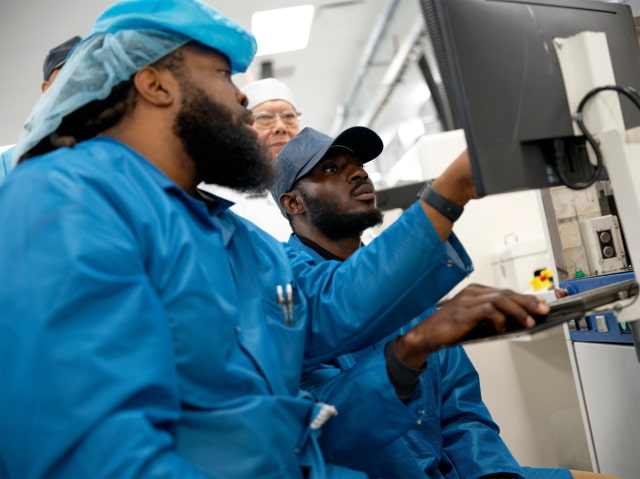
To support the growing workforce needed for these facilities, Apple is building a 20,000-square-foot Advanced Manufacturing Center in Houston. Scheduled to open later this year, the center will offer hands-on training for students, supplier employees, and local businesses. Apple experts plan to teach the specific production processes used to assemble its hardware. This educational push mirrors the company's Apple Manufacturing Academy in Detroit, which recently expanded its curriculum to offer virtual programming nationwide.
This announcement serves as an update on the financial pledge Apple made last year to invest $600 billion in the U.S. economy. The company says it has already exceeded its initial hardware targets, sourcing over 20 billion American-made chips from two dozen factories spread across 12 states. That volume relies heavily on partners like Broadcom and Texas Instruments, alongside ongoing efforts to localize raw material production.
Confirming recent supply chain reports, Apple stated it is on track to purchase well over 100 million advanced chips from TSMC's fabrication plants in Arizona in 2026. This marks an increase from 2025 volumes. To feed those fabrication lines, GlobalWafers has initiated production at a $4 billion bare silicon wafer facility in Sherman, Texas. Apple is directing its U.S. chip manufacturing partners to source their wafers from this specific Texas location.
Together, these investments form a domestic production pipeline spanning raw materials, fabrication, packaging, and final assembly. After raw silicon wafers are created in Texas, they are sent to TSMC's fabs to be patterned with transistors. The localized pipeline extends to the final stages of chip assembly. Amkor has officially broken ground on a $7 billion advanced semiconductor packaging and test facility in Peoria, Arizona, backed by direct investment from Apple. Once operational, Apple will serve as the site's first and largest customer.
Finally, Apple highlighted progress with its long-time glass supplier. Corning's facility in Harrodsburg, Kentucky, has transitioned to focus entirely on producing cover glass for Apple's mobile devices. By the end of this year, every new iPhone and Apple Watch shipped globally will feature glass manufactured in the state.





![Apple Releases macOS Tahoe 26.6, Plus Security Updates for Older Macs [Download]](/images/news/101600/101600/101600-160.jpg "Apple Releases macOS Tahoe 26.6, Plus Security Updates for Older Macs [Download]")
![Apple Releases watchOS 26.6, tvOS 26.6, and visionOS 26.6 [Download]](/images/news/101599/101599/101599-160.jpg "Apple Releases watchOS 26.6, tvOS 26.6, and visionOS 26.6 [Download]")
![Apple Officially Releases iOS 26.6 and iPadOS 26.6 [Download]](/images/news/101598/101598/101598-160.jpg "Apple Officially Releases iOS 26.6 and iPadOS 26.6 [Download]")