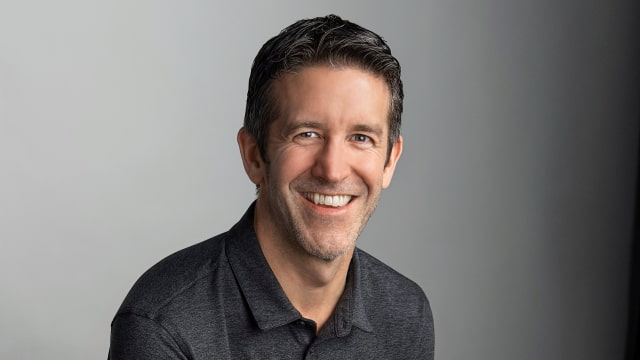
Apple is preparing to reshape its financial playbook ahead of John Ternus taking over as CEO this September, moving the company away from its longstanding net cash neutral policy — a shift that gives the company more flexibility for future investments, including artificial intelligence and hardware development.
The financial pivot marks a distinct departure from the strategy that defined the Tim Cook era. After taking control of the company, Cook reversed Steve Jobs' historic aversion to stock buybacks and dividends. That shareholder-friendly approach resulted in Apple returning more than $1 trillion to investors over the past decade, a strategy that helped balloon the company's valuation into the trillions. By 2018, Apple officially adopted a net cash neutral target, aiming to more closely balance its cash reserves against its corporate debt.
That policy is no longer being used as a formal target. During the company's recent Q2 earnings call, Chief Financial Officer Kevan Parekh confirmed the shift, stating that Apple will no longer use net cash neutral as a formal target. Instead, the company plans to evaluate its cash and debt independently moving forward. While Parekh noted that Apple has successfully reduced its net cash by over $100 billion since the policy was implemented, removing the strict requirement gives the incoming CEO more flexibility in how the company manages its balance sheet.
According to Mark Gurman, many product designers and engineers inside Cupertino have long argued that Apple should retain more of its cash for talent acquisition, aggressive research and development, and larger corporate buyouts. Until now, Apple has largely avoided blockbuster acquisitions, with the $3 billion purchase of Beats Electronics in 2014 remaining its largest deal on record.
Ternus is taking the helm at a time when the broader tech industry is ramping up investment in artificial intelligence. While Apple has historically avoided the massive AI server expenditures seen at rivals like Google and Meta, the company still needs vast resources to build out its intelligence infrastructure. That added flexibility could allow Apple to scale its server capacity or pursue external models if needed. It also comes as the company prepares a broad hardware roadmap, which reportedly includes nearly 10 new product categories over the next several years.
Apple is not moving away from its investor returns strategy. The board recently authorized another $100 billion stock buyback program, signaling that capital returns will remain a core part of the business. During the earnings call, Ternus explicitly promised to maintain the same deliberateness and financial discipline established by Cook. However, by untying the company's hands from a strict balance sheet metric, Ternus is giving the company more room to adjust how it allocates capital in the years ahead.
Get the iClarified Daily Newsletter
Apple news, rumors, tutorials, price drop alerts, in your inbox every evening, free.
Unsubscribe at any time.
Success!
You have been subscribed.
Add Comment
Would you like to be notified when someone replies or adds a new comment?
Yes (All Threads)
Yes (This Thread Only)
No
Notifications
Would you like to be notified when we post a new Apple news article or tutorial?








![How To Change Wallpaper on Mac [Video]](/images/tutorials/90512/90512/90512-160.jpg "How To Change Wallpaper on Mac [Video]")
![How To Turn Off Always On Display on iPhone [Video]](/images/tutorials/87524/87524/87524-160.jpg "How To Turn Off Always On Display on iPhone [Video]")





![16-Inch M5 Max MacBook Pro Drops $900 to New Low of $3,499 [Deal]](/images/news/102438/102438/102438-160.jpg "16-Inch M5 Max MacBook Pro Drops $900 to New Low of $3,499 [Deal]")
![Magic Keyboard for iPad Air Drops to $200 on Amazon [Deal]](/images/news/102402/102402/102402-160.jpg "Magic Keyboard for iPad Air Drops to $200 on Amazon [Deal]")
