The strategic partnership between Apple and OpenAI is deteriorating. Frustrated by limited exposure inside Apple's ecosystem and disappointing subscription conversion from Apple users, the AI startup is now actively preparing possible legal action against the iPhone maker.
OpenAI has enlisted an outside law firm to weigh its options, which could begin with a formal breach of contract notice rather than an immediate lawsuit. According to a Bloomberg report, the startup feels Apple has not made a genuine effort to embed ChatGPT deeply into its software ecosystem. One anonymous OpenAI executive claimed the company took a massive leap of faith, only to find Apple unwilling to meet them halfway and dictating terms through its sheer market power.
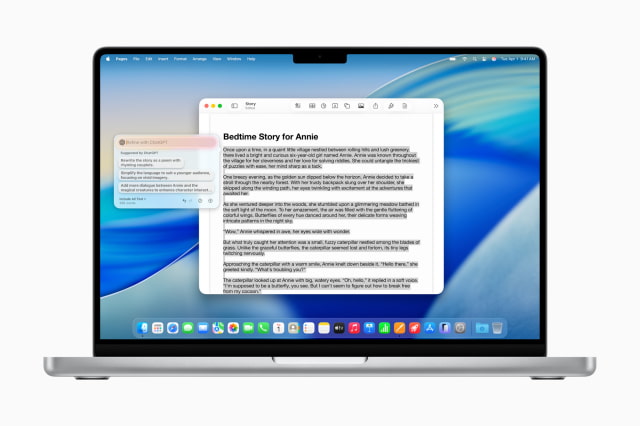
When the deal was first announced in 2024, Apple reportedly compared the opportunity to its lucrative Safari search agreement with Google. OpenAI executives anticipated prime placement within Siri, expecting the exposure to drive billions of dollars in subscription revenue leading up to an IPO. Instead, the implementation requires users to specifically invoke ChatGPT by name, and the resulting responses are confined to small, limited interface windows. OpenAI's internal studies show users heavily prefer the standalone ChatGPT app over the built-in iOS features, leaving executives concerned that the limited rollout is actively damaging the company's brand.
The dynamic will shift even further with the upcoming release of iOS 27. Apple is preparing a new Extensions framework that will open Siri to rival AI assistants like Google Gemini and Anthropic's Claude. That revamped system is slated to be unveiled at the Worldwide Developers Conference on June 8. While OpenAI acknowledges the original deal was never exclusive, Apple has also moved forward with a separate $1 billion annual agreement to use Google Gemini technology as part of its wider AI infrastructure efforts. Bloomberg reports that Apple previously weighed a broader arrangement with OpenAI before ultimately choosing Google for the project. OpenAI executives later said the company was no longer interested in participating after feeling burned by the initial collaboration.
Tensions between the two companies extend well beyond software. OpenAI has become a direct competitor in the consumer electronics space, recently acquiring a hardware startup co-founded by former Apple design chief Jony Ive. Led by ex-Apple executives Tang Tan and Evans Hankey, the division is working to create an alternative to the iPhone and other consumer devices. The AI company has aggressively recruited Apple engineers to build the device, prompting Apple to issue rare six-figure retention bonuses to protect its own hardware design teams.
The friction also extends to privacy concerns. Apple reportedly had concerns about OpenAI's privacy standards from the beginning but still proceeded with the integration to buy time for its own internal generative AI efforts. Those delays have proved costly. Apple recently agreed to a $250 million class-action settlement resolving claims of false advertising over heavily marketed Siri features that failed to materialize on time.
Any formal legal move by OpenAI is expected to wait until after the conclusion of its ongoing trial with co-founder Elon Musk. Both companies have declined to comment publicly on the escalating dispute.
Get the iClarified Daily Newsletter
Apple news, rumors, tutorials, price drop alerts, in your inbox every evening, free.
Unsubscribe at any time.
Success!
You have been subscribed.
Add Comment
Would you like to be notified when someone replies or adds a new comment?
Yes (All Threads)
Yes (This Thread Only)
No
Notifications
Would you like to be notified when we post a new Apple news article or tutorial?




![All 2027 iPhones Expected to Use Apple Modems [Gurman]](/images/news/102447/102447/102447-160.jpg "All 2027 iPhones Expected to Use Apple Modems [Gurman]")

![Apple Tests New Vision Headset Designs Amid Uncertain Launch Plans [Gurman]](/images/news/102444/102444/102444-160.jpg "Apple Tests New Vision Headset Designs Amid Uncertain Launch Plans [Gurman]")




![How To Find Your iPhone IMEI Number [Video]](/images/tutorials/83557/83557/83557-160.jpg "How To Find Your iPhone IMEI Number [Video]")


![16-Inch M5 Max MacBook Pro Drops $900 to New Low of $3,499 [Deal]](/images/news/102438/102438/102438-160.jpg "16-Inch M5 Max MacBook Pro Drops $900 to New Low of $3,499 [Deal]")
![Magic Keyboard for iPad Air Drops to $200 on Amazon [Deal]](/images/news/102402/102402/102402-160.jpg "Magic Keyboard for iPad Air Drops to $200 on Amazon [Deal]")
![13-Inch M5 MacBook Air With 1TB Drops to $1,449 on Amazon [Deal]](/images/news/102345/102345/102345-160.jpg "13-Inch M5 MacBook Air With 1TB Drops to $1,449 on Amazon [Deal]")